
Coming to a New Country to Study Can Be Difficult. Let’s Try to Make it Easier for You
As signatories to the Education (Pastoral Care of Tertiary and International Learners) Code of Practice 2021, we are required to give international students basic information on:
- driving in New Zealand;
- alcohol, tobacco and recreational drugs in New Zealand; and
- gambling in New Zealand.

The National School of Aesthetics is providing this information under its obligations. It should in no way be taken as advice or a substitute for the original documents or laws. You should consult the appropriate person or bodies for accurate, up-to-date information on these rules, regulations and legal requirements. We are not responsible for information given which has changed since this document was published nor are we responsible for any misinterpretation of the information provided.
Quick Links about Adjusting to Life in New Zealand
Culture Shock
What is Culture Shock?
Culture shock describes when feelings with being in a different cultural or social environment, like a foreign country, emerge. You may find you are having difficulty in assimilating the new culture, which also causes difficulty in knowing what is appropriate and what is not. You may also find you feel uneasy or disgusted with some aspects of this new culture.
Don’t worry! It is natural. Some of the things you might feel are:
- Confusion
- Disorientation
- Nervousness
- Tiredness
- Not sleeping well
- Frustration
- Anger
- Anxiety
- Being dependant on others from your home country
Our food and climate may be different. We may dress differently, or speak too fast, or use words you don’t understand. Those you love may not be in New Zealand with you. You may miss home. You start questioning if coming to New Zealand was a good idea.
If you feel this way, please come and see us. We have been through it and understand.
Coping with Culture Shock
People cope with culture shock in different ways.
Some good advice includes:
- Read about New Zealand and our culture before you arrive. This will help you feel surer about what you should expect when you arrive and more familiar with New Zealand and our culture. This also helps you know about differences from your own culture and helps you adapt easier.
- Familiarise yourself with local customs and language. This will help you feel more confident in not offending others or being offended yourself as well as help ensure cultural misunderstandings don’t occur.
- Be open-minded about New Zealand culture.
- Don’t judge New Zealand by your cultural standards.
- Take “time out” for some “you” time to reflect on the day’s events and give yourself some solitude.
Sometimes getting involved with “the locals” will help take your mind off the culture shock. If you like sports or have certain hobbies, local organisations can assist you.
“Kiwis Speak Too Fast”
New Zealanders and some other English-speaking people speak a bit too fast and add slang and abbreviations to their conversation. You may find this a bit difficult to understand at first, but if you don’t understand, ask them politely to repeat themselves.
- Practice English as much as you can.
- If you have a dictionary, use it to look up words.
- Read newspapers, on-line reports and books (English) as much as possible.
- Observe body language and listen; Kiwis generally look at you when they are speaking to you.
- If you don’t understand, ask. Most people will be more than willing to help out.
- If you make a mistake, have a laugh about it and ask for an explanation. Most people will be more than happy to help you out.
- Get involved with others. This will help your English language skills immensely.
Money and Banking
Money
We use the New Zealand dollar as our currency. 100 cents equals one dollar. $ is the symbol for the collar, while c is the symbol for cents.
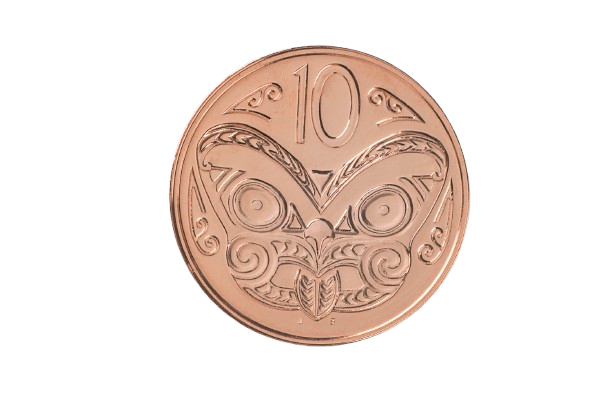
10 cent coin
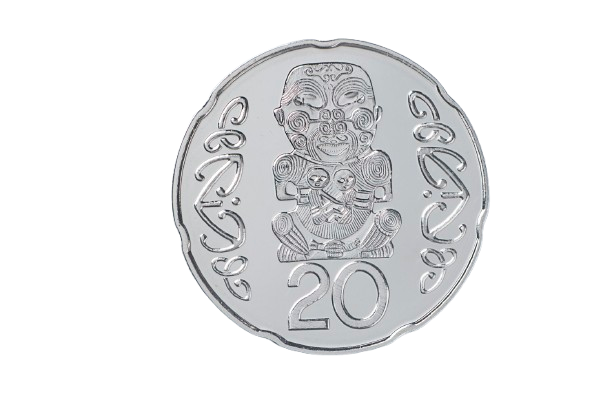
20 cent coin
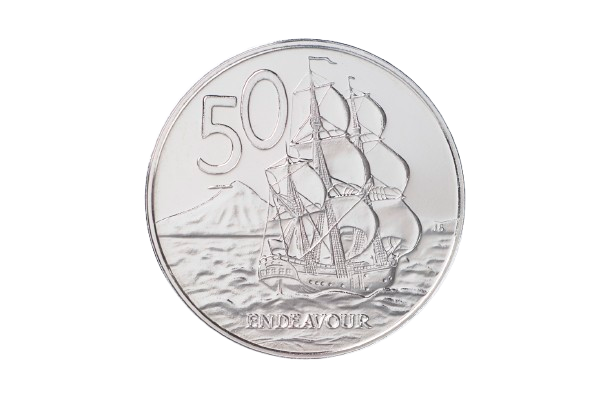
50 cent coin
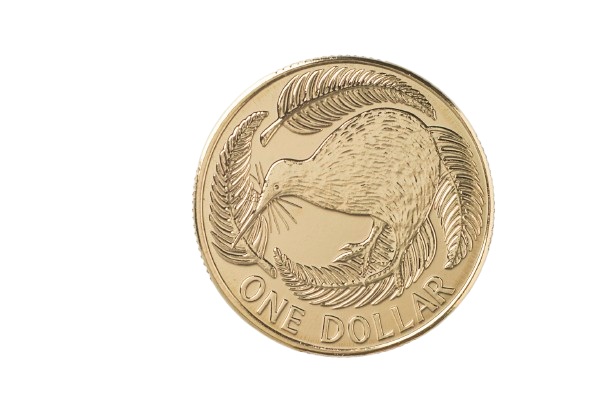
1 dollar coin
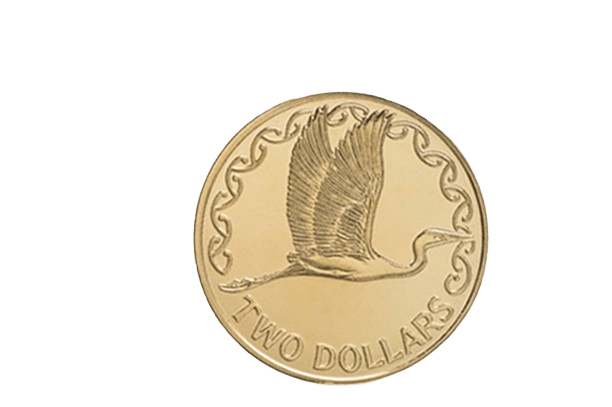
2 dollar coin
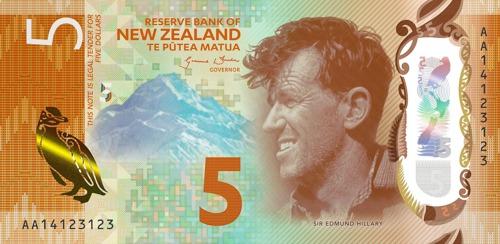
$5 dollar bill
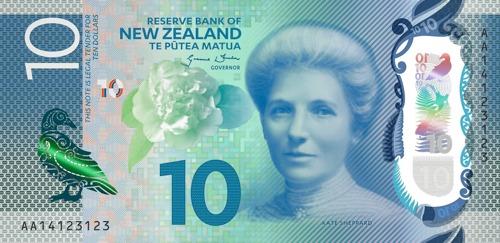
$10 dollar bill
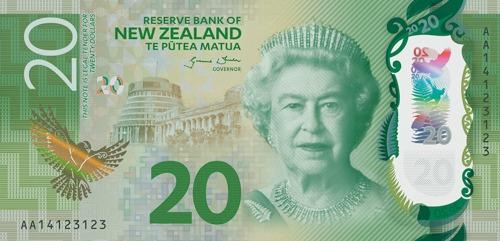
$20 dollar bill
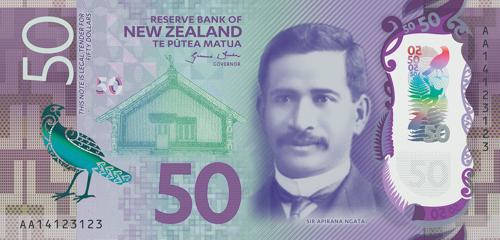
$50 dollar bill
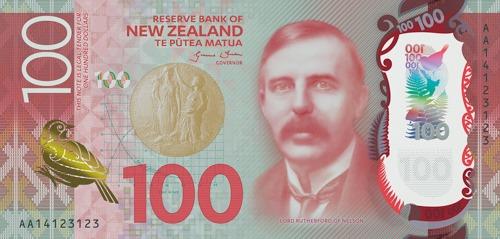
$100 dollar bill
Banking Information and Opening an Account
Opening an Account
Opening an account with a New Zealand bank varies from bank to bank, but most ask for:
- Two certified identification documents (such as a driver’s license or passport);
- A minimum amount to open the account; and
- Evidence you are studying with us.
You would be best to approach the bank to arrange to open an account.
Banks in New Zealand
Major banks in New Zealand are:
ASB and Westpac all offer specific International Student bank accounts. ASB allows you to apply from overseas.
We use ASB for our personal and business needs and highly recommend them. Some of us also use BNZ, and we highly recommend them as well.
Banks charge fees on transactions and various other areas. Please see the terms and conditions from your bank for further information.
Banks are normally open from 9 AM to 4:30 PM, Monday through Friday. If you wish to open an account, we highly suggest you contact them to make an appointment date and time.
Other Money Information
Ways to Pay
EFTPOS (standing for Electronic Funds Transfer – Point Of Sale) is a common way of paying for items and services in New Zealand. You normally get an EFTPOS card when you open a bank account. This deducts money from your account to pay for the goods you are purchasing.
Credit cards are also acceptable. You need to pay this money back when it becomes due. Normally, money spent on a credit card attracts a moderate interest rate. Most New Zealand credit cards use the chip in the card instead of the magnetic stripe on the back of the card.
The most common credit cards used in New Zealand are Visa and MasterCard. Some merchants accept American Express, Diners Club and JBL; however, these are not as common.
Tap-and-go can be used on both EFTPOS and credit cards with the appropriate symbol. You can tap your card against the terminal to pay for your purchase. The purchase needs to be $80 or under to use this service without a PIN number.
Cash in New Zealand dollars is also acceptable.
Cheques and bank cheques are no longer used.
Other options, such as Electronic Funds Transfer, are also available. These usually involve your bank or online banking.
Transaction Information
Goods and Services Tax (GST)
GST is charged on all goods and services. This rate is 15% and is usually included in the price of an item. (If cost doesn’t say, it usually includes GST)
“Excluding GST” or “GST exclusive” means you have to figure the GST into the price. The way to do this is multiply the price by 1.15, which will give you the correct price with GST included.
Swedish Rounding
In New Zealand, we use a system called “Swedish Rounding” for transactions using cash. Since our smallest piece is 10 cents, shops normally round numbers up or down to the nearest 10 cents.
For example, $15.14 will be rounded to $15.10, while $15.16 will be rounded to $15.20. Some shops round $15.15 to $15.10 and some to $15.20.
Bargaining
Bargaining is not normally accepted in many circumstances.
Borrowing or Lending Money
You should not lend others money or ask to borrow money from others.
A bank would be the most appropriate avenue to lend you or others money.
Using the Phone and External Contacts
New Zealand’s phone system operates differently from some other countries.
The entire South Island has the area code (03), so with numbers outside of Christchurch, or when dialling any telephone number from a mobile phone, you need to put (03) in front of the number before dialling.
Mobile phones have their own unique area codes, starting with an 02. Telecom mobile phones usually start with (027) and Vodafone mobile phones start with either an (021) or (029) area code. 2degrees usually start with an (022).
For further information on operating the telephone, and phone services in New Zealand, see www.whitepages.co.nz for further information.
Google may be a great tool to use to look up this information if you need it.
We have also included a list of relevant contacts on different sections of this site.
Driving in New Zealand
This section gives a brief overview of driving in New Zealand and should in no way be taken as advice or substitute for the official Rode Code (www.nzta.govt.nz/roadcode/). You should consult the Road Code and the New Zealand Transport Agency (www.nzta.govt.nz) for accurate, up-to-date information on these rules, regulations and legal requirements.
Driver’s License
All drivers in New Zealand are required to hold a valid and current driver’s license.
International students have several options available to them, including:
- Using a current and valid driver’s license from your home country; or
- Using a current and valid international driving permit; or
- These must have a clear and approved translation accompanying them.
- These are only good for 12 months in New Zealand.
- Gaining a New Zealand driver’s license through the AA or another authorized agency.
- Motorcycle drivers need to hold a special motorcycle license.
- See www.nzta.govt.nz/driver-licences/ for more information.
- Law dictates you must carry your license with you at all times you are driving.
A full license allows you to drive on your own and carry passengers at any time for non-commercial use.
New Zealand has a Graduated Driver Licence System.
- A learner licence allows you to learn to drive. You must be accompanied at all times when driving by a supervisor (a person who holds and has held a full licence for at least two years.
- A restricted license allows you to drive on your own between the hours of 5 AM and 10 PM. If you wish to drive outside these hours, you must be accompanied by a supervisor.
- If you hold either a learner or restricted license, you cannot carry passengers unless you are accompanied by a supervisor.
- A full license allows you to drive on your own and carry passengers at any time for non-commercial use.
Insurance
All drivers should hold third party insurance (at least).
Unique laws and rules
In New Zealand, we drive on the left-hand side of the road.
We did have a unique road rule here called the “Give Way Rule”, but this rule is no longer in used.
New Zealand Police
The New Zealand Police enforce New Zealand driving laws.
- The government can issue penalties such as fines, license disqualification or suspension, vehicle impoundment and imprisonment for breaking driving laws.
- Police can impound a vehicle, at your expense, if you are operating the vehicle in a race or in an unnecessary exhibition of speed or acceleration, or causing the vehicle to undergo a sustained loss of traction (e.g. wheel spins) under the Land Transport (Unauthorised Street and Drag Racing) Amendment Act 2003.
Parking
Some parking areas are sign-posted.
- Parking is not allowed on yellow lines.
- Most city parking requires drivers to pay and display a receipt.
- Vehicles can be towed away, at your expense, if you have parked it illegally.
Drink driving (driving under the influence of alcohol) and drug driving (driving under the influence of drugs)
The amount of alcohol drivers under twenty years old are legally allowed to drink before driving is so small that it is safer not to drink at all.
The amount of illegal drugs drivers of any age are legally allowed to consume before driving is none.
Driving while over the legal alcohol limit or driving while under the influence of drugs are criminal offences in New Zealand.
There are severe penalties, including licence disqualification and suspension and prison terms for driving while over legal alcohol limits or driving while under the influence of drugs.
Speed limits and speeding
The default maximum speed limit in New Zealand is 100 kilometres per hour (kph).
Most main urban streets have 50 kph limits.
In the Christchurch Central Business District, the speed limit on many streets is 30 kph.
Speed limits are well sign-posted, and can vary on the same stretch of road, so watch out for them.
Drive to the conditions; in poor visibility and bad weather, it may be appropriate to drive slower than the speed limit.
Safety (seat) belts
Drivers and passengers are legally required to wear a safety belt. There are fines for not wearing safety belts.
Merging
When two lanes narrow into one, we call this a merge. You should “merge like a zip” in these circumstances. See www.nzta.govt.nz/safety/ for more information and advice.
Intersections
Intersections are places where two or more roads intersect or meet. Look for traffic wherever it may come from and give way to your right. Refer to the Road Code (www.nzta.govt.nz/roadcode/) for more detailed information.
Roundabouts are also known as traffic circles. This is an intersection where three or more roads intersect with a circular road in the middle. See the appropriate NZTA page at www.nzta.govt.nz/safety/ for more information on roundabouts.
Driver fatigue
Driving when you are tired or have not had enough sleep can affect your driving. Signs of fatigue include finding it hard to focus, poor decision-making, and slower reaction times. Plan your trips so you have plenty of sleep before you drive. If you are driving and you feel tired, stop driving and have a sleep, drink of water or coffee, and circulate fresh air into the car.
In case of an accident
If in an accident, exchange details with other drivers involved (name, telephone number, address, type and colour of vehicle, vehicle registration number, insurance company). If the accident is serious and/or the other driver denies fault, note down other factors such as names of any witnesses, road names, if either party was carrying passengers, the time of day, the weather conditions and so on.
If someone is injured or killed in an accident, it must be reported to the Police. If the police do not attend the accident scene, report it to the nearest Police station within 24 hours.
For emergency assistance at the scene of the accident, call 111 and ask for the emergency service required (e.g. Police, Fire or Ambulance).
In case of a non-injury accident, a driver or rider must give his/her name and address, the vehicle owner’s name and address, and the registration plate number of his/her vehicle to other people involved in the accident. If a non-injury accident results in damage to an unoccupied vehicle or other property belonging to someone else, this must be reported to the owner of the property within 48 hours. The driver must give his/her name and address, the registration plate number of his/her vehicle, and the location of the accident to the owner of the damaged vehicle or property. In cases where the owner of the damaged unoccupied vehicle or property is unknown or cannot be contacted, the accident must be reported to the Police at the nearest Police station within 60 hours.
Road Safety
Road safety is for all road users, whether you are a cyclist, pedestrian, passenger or driver.
In New Zealand, we drive on the left-hand side of the road. This is very important for all road users.
Pedestrians and cyclists should consult the appropriate sections of the NZTA Web site at www.nzta.govt.nz/safety/
Pedestrian safety
- Cars do not always stop for pedestrians, so please be careful when crossing the road.
- Use controlled crossing points (pedestrian crossings, pedestrian traffic lights) wherever possible.
- When crossing the road:
- Find a safe place to cross.
- Stop one step back from the kerb.
- Look and listen for traffic wherever it may come from (usually look right, look left, look right again).
- If there is traffic coming, wait until it has passed, then look and listen for traffic again.
- When there is no traffic coming, walk quickly straight across the road, looking each way for traffic.
- Pedestrians are not usually allowed to walk on the road and are barred from walking on expressways.
For more information, visit the appropriate section of the NZTA’s Web site at www.nzta.govt.nz/safety/
Cyclist safety
- Cyclists are required to obey the Road Code.
- Cyclists are required by law to wear a properly-fitted, standards-approved bicycle helmet, when riding a bicycle on a road.
- Unless otherwise sign-posted or under the acceptable conditions listed in the Road Code, cyclists should ride on the road and not the footpath.
For more information, visit the appropriate section of the NZTA’s Web site at www.nzta.govt.nz/safety/
Passenger safety
Drivers and passengers are legally required to wear safety belts and can be fined for not wearing safety belts.
When taking a bus:
- Wait for the bus at the bus stop.
- Get on the bus carefully.
- Sit back in your seat quietly on the bus and don’t distract the driver.
- Get off the bus carefully and wait until the bus has driven away before crossing the road.
Alcohol, Tobacco, Recreational Drugs and Gambling
This section gives a brief overview of alcohol, tobacco, recreational drugs and gambling in New Zealand and should in no way be taken as advice or substitute for legal advice. You should consult a lawyer or appropriate bodies for accurate, up-to-date information on this.
Alcohol
- You must be 18 to legally purchase and consume alcohol in New Zealand.
- It is illegal to purchase or consume alcohol if you are under 18. Those over the age of 18 cannot supply alcohol to those under 18.
- It is also illegal to drink alcohol and then operate a vehicle in many cases.
- You must be 18 to enter a nightclub or bar, and you must produce evidence of this.
- Depending on the area, you may or may not be able to consume alcohol.
- Christchurch bans the public consumption of alcohol in some areas. These areas are sign-posted.
See www.alcohol.org.nz for more info.
Tobacco and Vaping
- You must be 18 to legally purchase and use tobacco and vapes in New Zealand.
- It is illegal to purchase or use tobacco or vapes if you are under 18. Those over the age of 18 cannot supply tobacco or vapes to those under 18.
- Smoking or vaping indoors in places used by the general public such as restaurants, workplaces, airports, shopping malls, and so on is illegal.
- Depending on the area, you may or may not be able to smoke or vape in a public place.
- Smoking and vaping around schools or any training establishment can sometimes be banned or illegal.
See www.health.govt.nz/regulation-legislation/smoked-tobacco/smokefree-legislation for more information about smoking and vaping in New Zealand.
Recreational drugs
Recreational drugs such as cannabis, cocaine, methamphetamines and so on are illegal in New Zealand to possess, manufacture, distribute or use. If you are found in possession of these, or linked somehow to them, you may face harsh penalties, including imprisonment, and be arrested by the New Zealand Police.
More information can be found at www.drugfoundation.org.nz.
Gambling
Only four types of gambling are legal in New Zealand. These include lotteries such as Lotto, Keno and Big Wednesday, Instant Kiwi scratch cards, TAB (where you bet on races) and casinos. You must be 20 to enter a casino.
If you or someone you know has a gambling problem, please contact the New Zealand Gambling Helpline on 0800 654 655 or by texting 8006 or visit the Web site on www.gamblinghelpline.co.nz
Appropriate Behaviour
New Zealanders tend to be pretty laid-back people, but they still expect a certain standard of decorum of behaviour from themselves and visitors.
Chewing
New Zealanders generally consider chewing with their mouths closed as good manners. When you are eating, keep your mouth closed and refrain from speaking while chewing.
Clearing your nose and throat
New Zealanders consider snorting and loud clearing of the throat offensive. If you have a cold or need to clear your nose or throat, please use tissues or Kleenex.
Making friends
New Zealanders are friendly, laid-back people. Meet them and get to know them, and you may be surprised at the “social networking”, i.e. they know others who you befriend.
Be relaxed and open. You may make mistakes with your English, and others may laugh, but they are not laughing to offend you. Best advice: laugh with them and ask them what was wrong. They will most likely explain to you.
Some questions may be offensive to New Zealanders you don’t know well. For example, you shouldn’t ask:
- A woman how old she is.
- How much someone paid for their house.
- How much money someone earns a year.
Your new friends may take you out to a bar or pub. We pay for drinks as we receive them. If a friend “shouts” (i.e. buys) you a drink, you should be polite and buy them a drink the next round.
Personal hygiene
A high standard of personal hygiene is required in our field of work and is expected by most employers. You should bathe or shower at least daily, including washing your hair and body.
The majority of New Zealanders consider body odour offensive. You should wear a deodorant, at least, or a deodorant with an antiperspirant. Buy these at the supermarket.
New Zealanders also find too much perfume or cologne overpowering and unacceptable.
Clothes and other items, such as sheets, pillowcases, et cetera, should be washed regularly as well to ensure cleanliness and hygiene. We suggest washing your clothes after wearing them once and washing your sheets and other linen at least once a week.
After going to the toilet, sneezing or coughing on your hands, please wash your hands. Not washing your hands can spread diseases and viruses.
Personal space
As we live in a wide open nation, we value our personal space. This means standing a few feet away from people when talking to them and not staring at them. If a person backs off, this could be the reason why.
Pets
New Zealanders often have pets, mostly dogs and cats. They usually treat these pets as members of their family, allowing them to sleep and live inside.
Punctuality
Be on-time. In New Zealand, when we say something starts at 9 AM, it starts at 9 AM. It is considered rude to show up late. If you are going to be late (due to a car accident or other matter), we consider a telephone call with an explanation as a polite way to deal with it.
Relationships
In New Zealand, we have different types of relationships. Relationships can be between men and women, men and other men and women and other women. The legal age of consent in New Zealand is 16. Two people in a relationship are usually called “partners”.
Rubbish and litter
You are legally required to dispose of rubbish in the correct manner. Most public places have receptacles for you to dispose of small quantities of rubbish or litter. If you litter (i.e. discard rubbish on the ground, et cetera), you may be caught and fined.
Saying “thank you”
You should say “thank you” when assisted, no matter how small the task or favour. We consider that polite.
Sharing of drinks and food
Meningitis is a higher risk in New Zealand than in other countries and can be spread via saliva. Cases to avoid are:
- Sharing a drink bottle or sipping out of the same cup.
- Using the same utensil unwashed.
- Eating from the same piece of food as someone else.
Many other cases exist, but it is best not to share anything that transmits saliva.
Smoking
New Zealand has various laws about where you can and cannot smoke. If you are in a private dwelling, including your flat, it’s generally considered polite to ask if you can smoke inside first. Most people in New Zealand actually go outside to smoke (after asking permission first) to keep the smell of smoke outside. Please see the “Tobacco” section above for more information on smoking.
Sneezing and coughing
If you are going to sneeze or cough, sneeze or cough into your elbow. Please wash your hands after you have. New Zealanders consider this good manners and hygiene. If you don’t cover your face or you don’t wash your hands, you can put other people at risk.
Spitting
Spitting is considered offensive in New Zealand. Please do not spit anywhere.
Tips and bribes
Tips and bribes are not considered acceptable in New Zealand.
Toilets
We use toilets in the Western manner, i.e. sit on the toilet seat to use it. Once finished, use toilet paper to clean yourself and dispose of it down the toilet, with human waste, by flushing.
Feminine hygiene products, such as tampons or sanitary napkins, are not flushed down the toilet, but wrapped in an appropriate bag or container and placed in the receptacle provided.
Toilets are usually cleaned regularly, so splashing them with water is unacceptable.
Touching
People in a relationship do touch each other but more often than not, public displays of affection are generally frowned upon. Men and women who are friends often hug.
Let Us Know If You Need More Help
If you need further assistance or would like further information on a certain area, please contact us, and we will try to help you as best as we can.
We hope that your time studying with us is pleasant, and always remember, we are here to assist you as best as we possibly can.